

Silicon Waha CEO Outlines Strategies for Addressing Energy Challenges in Technology Parks
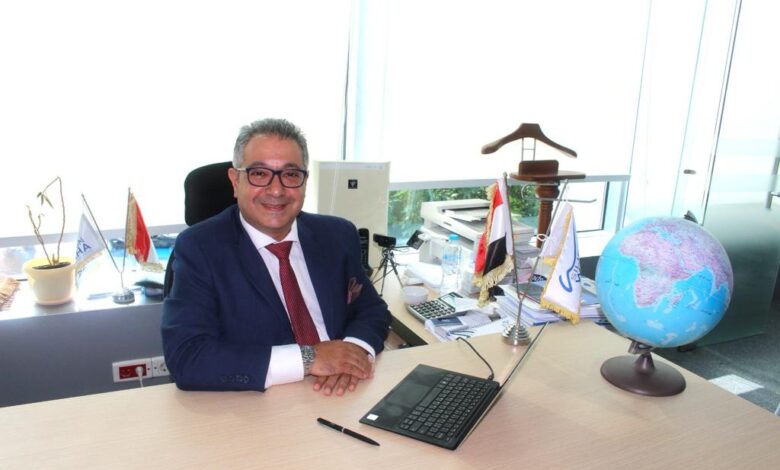
Eng. Hashem Mansy, CEO of Silicon Waha, stated that Egypt’s technology parks are addressing energy challenges through advanced infrastructure designed to ensure operational continuity and high-performance efficiency.
These measures include:
Diversified Power Sources: Reliance on the national electricity grid is backed by robust power generators and UPS (Uninterruptible Power Supply) systems to ensure seamless service.
Furthermore, onsite generators are equipped to power facilities for at least one full week.
Smart Energy Management Systems: These systems allow for continuous monitoring of consumption and the optimization of operational efficiency.
Mansy explained that the technology parks are equipped with modern electrical distribution infrastructure that minimizes waste and enhances usage efficiency.
This high level of operational readiness is specifically designed to meet the rigorous demands of vital sectors, including contact centers and outsourcing (BPO) services.
“This integrated system ensures business continuity, remaining largely unaffected by emergency crises,” Mansy added. “Moreover, our buildings are architecturally designed to minimize energy consumption.”
Energy-Efficient Building Standards
The CEO noted that buildings within the technology parks adhere to strict energy-saving design standards, featuring:
High-Efficiency Thermal Insulation: To limit heat leakage and reduce the load on cooling systems.
Strategic Facade Design: Utilization of double-glazed glass to maximize natural lighting while reducing electricity consumption.
LED Lighting: Implementation of energy-efficient lighting systems throughout.
Advanced HVAC Systems: High-efficiency central air conditioning to optimize climate control.
Smart Architectural Planning: Spatial designs that reduce energy waste and provide a comfortable work environment with minimal power consumption.
Transition to Renewable Energy
On another note, Mansy clarified that while the technology parks currently rely primarily on the national grid, there is a strategic move toward enhancing the use of renewable energy.
In line with this vision, solar energy solutions have already been deployed in certain locations, including New Borg El Arab and New Assiut technology parks.
These solar installations contribute to supporting the overall energy ecosystem and reducing dependence on traditional sources.
The reliance on renewables is set for gradual expansion, with future plans aimed at bolstering sustainability and lowering long-term operational costs.
Growth and Occupancy Indicators
The total number of buildings across the technology parks currently stands at 28, with an impressive occupancy rate of 84%.
These figures reflect high levels of satisfaction among both global and local tenants, while signaling significant opportunities for further growth and regional expansion.