

Safeguarding Call Center Data: Best Practices Against Cyber Attacks on Smart Devices
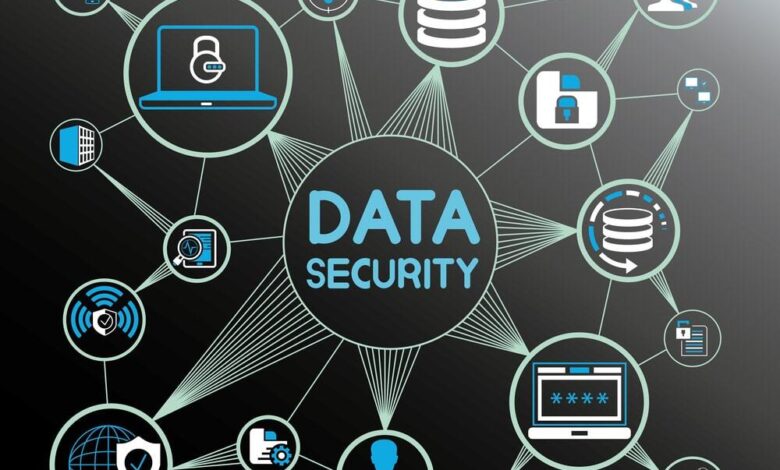
The continuous expansion of smart devices within call centers presents escalating data security challenges.
This is especially true given the increasing reliance on Internet of Things (IoT) technologies to boost efficiency and enhance customer experiences.
Call centers are among the most vulnerable environments due to their nature of constant network connectivity and real-time reception of sensitive data.
Global estimates from Ciklum indicate approximately 20 billion IoT devices currently exist, a number projected to double by 2034.
While this fosters innovation, it also elevates security threats, particularly in high-density operational environments like call centers.
Security reports have shown that one in three breaches involves a connected device, which often serves as a gateway for attacks on internal networks, such as Distributed Denial of Service (DDoS) attacks or customer data leaks.
In 2016, over 1,200 organizations’ voice communication networks were targeted through vulnerabilities in poorly secured connected devices.
Threats are exacerbated in call centers using smart devices for call management, conversation recording, and voice data analysis without adequate security infrastructure.
Despite companies’ awareness of these risks, weak digital infrastructure, multiple systems, and a lack of expertise continue to hinder the development of required protection.
Best Practices for Protecting Call Center Data
To mitigate these threats, technology companies like Ciklum recommend following several best practices for protecting call center data:
Encrypt all voice and text data during transit and storage.
Enforce multi-factor authentication for all employees and supervisors.
Regularly update software and devices, especially for recording and analysis equipment.
Isolate networks dedicated to connected devices from the main data network.
Monitor activities using Artificial Intelligence to detect anomalous behaviors.
Adopt a “Zero Trust” model to reduce the chances of internal or external breaches.
Experts emphasize that the future necessitates adopting technologies like blockchain for device identity management and integrating 5G networks to enhance security, alongside investing in tools that analyze threats in real-time within call centers.